To Maintain, or Not to Maintain
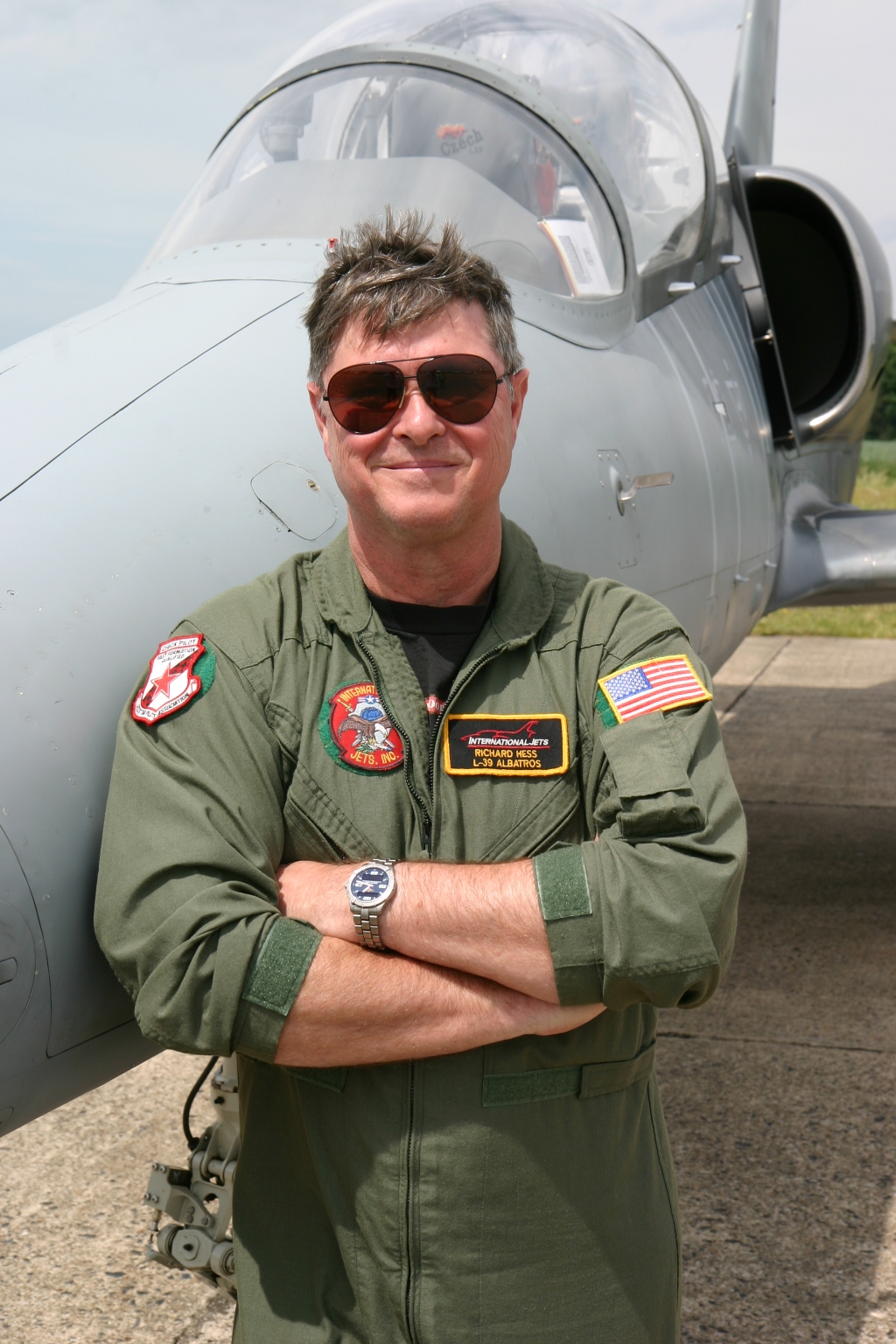
As many of you know, I owned International Jets in Gadsden, AL. Our specialty is the L-39 but we've worked on everything from CJ-6s to C-130s, Alpha Jets to TBMs. We did Warbird and military maintenance, parts and training on four continents. I've personally ferried 13 military fighter/trainer aircraft from the US to Europe, Africa and South America over the last ten years. To say I am greatly interested in the mechanical condition of the airplanes I fly is a huge understatement.
I know we've seen tough economic times. It seems that when times are tough, people stop flying their airplanes, or stop doing proper maintenance. It is painful to put money into a Warbird that might have lost 20-50% of its value. Your proficiency is also GREATLY decreased when you only pull it out of the hangar a handful of times per year, but that is another story. I want to focus on what we are seeing as aircraft age and owners stop spending money on maintenance.
A friend brought a CJ-6 to IJ some years ago for an engine change. When we did the annual we found that the flow restrictors in the landing gear lines had been removed. The results were gear that banged up and down so hard that the metal structure in the nose well was seriously deformed. We had to remove and fabricate new support structure. There were also many other serious systems problems.
Two friends brought their older Mooney for an annual. I'm sorry to say they got much more than bargained for but thank God they finally used a competent shop. The landing gear was so corroded it's amazing it didn't fail. The exhaust was leaking badly up against the floor of the cockpit. Worst of all, every single rivet of the lower wing skin where it attaches to the rear spar had failed. The skin was literally flapping in the breeze. This was a fatal accident waiting to happen.
The L-39 fleet in the US (over 260 aircraft) is aging and we are seeing the results. So, we started a series of engine borescopes for IJ's customers. Some engines were starting to run outside of parameter in terms of RPM or EGT. In a number of cases, the engines ran perfectly with not a single parameter even close to being out of limits. However, what we found was sometimes horrifying: severe cracks; heat eroded coatings; slag; coked fuel nozzles; and missing or damaged hot section structure are just some of the problems we found.
In Yaks and CJs we've seen failed master rods, sheared splined accessory shafts, cracked engine blocks, air line corrosion and leaks, and deteriorated actuators to name just a few squawks.
Our civilian clients seem to have depended on some local mechanic for many years. Either they pushed for cheap maintenance, or the mechanic just didn't do his job correctly, or both. The result is usually an aircraft that is one failure away from killing the occupants.
Sure there are older airplanes or home built aircraft that make it possible for the "average Joe" to enjoy aircraft ownership. However, most Warbirds, high performance singles and twins, and certainly turboprops and business jets, require a high dollar commitment for maintenance and operation. When you stop doing required maintenance, or put so much pressure on your chosen shop that they stop doing proper work, you no longer can afford your aircraft. It is time to sell it.
The above statement may seem really harsh but look at the alternative. Better yet, ask yourself the question, "What is your life worth?" Most jet Warbird accidents are not maintenance related, but rather weather or low altitude maneuvering related. Honestly, it calls into question the decision making process of the PIC. Prop Warbird accidents are a combination of both with most also related to weather and low altitude maneuvering. As I said in the beginning of this article, that is a subject for another article. The point here is to ask, "What are the consequences for flying an aircraft that is not airworthy?"
Engine failure is a rare but terrifying experience. Ask Doug Sapp what went through his mind when his CJ-6 engine failed, or what it was like to crash a two seat tail dragger in the mountains when his engine failed right after takeoff. Ask me what happened to my heart rate when I lowered the gear on an L-39 and the gear didn't move, or how I handled counter weights that dropped onto the elevator cables of my CJ-6 and froze the control stick!
I'm not Chicken Little, and the sky is not falling. However, the FAA has taken a serious interest in the high accident rate of jet Warbirds as an example, and has imposed restrictive programs focused on maintenance schedules and procedures. The truth is our fleets are NOT getting any younger and we do NOT usually maintain our Warbirds according to strict manufacturer or military required inspection and time life requirements. As aircraft and engines age, we see them deteriorate in ways that would never happen if they went through strict calendar time PDM or overhaul schedules.
At IJ we started including inspections of items that were not on the normal 100 hour inspection checklist. These include brake antiskid release valves, weight-on-wheel switches, fuel system pressure tests, and a much more thorough inspection and testing of the engine and all of its "aggregates." It is these kinds of adjustments that help us find the hidden problems that will bite you in the tail pipe.
Every aircraft owner should be thinking of what needs extra attention during the year and at the annual. What are the things that can hurt you? Do you fly at night, IFR, or over rough and desolate terrain? Every aircraft has its "gotchas" and has critical components. Talk to your mechanic, other owners, and use the forums. There is a wealth of knowledge just waiting to be tapped. But most of all do NOT skip or scrimp on maintenance!
I have seen so many accidents throughout my 43 years of military and Warbird flying. I have cried over many a lost friend, but mostly I feel for those left behind. Imagine your children having to learn about life without you. Imagine a spouse who is left embittered for losing her true love, her partner, her most important support. Imagine the hurt felt by the family who's loved one was killed in your back seat. Imagine the financial risk imposed on YOUR loved ones because of a mistake on your part.
I know, I'm preaching now, and if you're reading this then you are likely not the problem. So, my next point is do not be afraid to reach out to the person who does not belong to a group, who does not follow safe practices, who seems to want to do it "My Way" as Frank Sinatra sang. I'd rather say something and be wrong, then keep quiet and be right.
This community of Warbird owners is my greatest joy after my faith and my family. You are my extended family and I mourn the loss of each friend, especially when it happens due to an avoidable accident. We CAN make our community safer without giving up the passionate joy of flying our Warbirds. It just takes a real and full time commitment. I hope this article gives each of you pause, and causes you to re-evaluate your own commitment to safe flying. It starts with a safe and airworthy airplane. It ends with a professional and proficient pilot. We'll save that subject for next time.
Fly safe, and always Check Six!!!
Richard "Mongoose" Hess


Comments